Onsite Non-Potable Water Reuse: What to Plan Before You Build
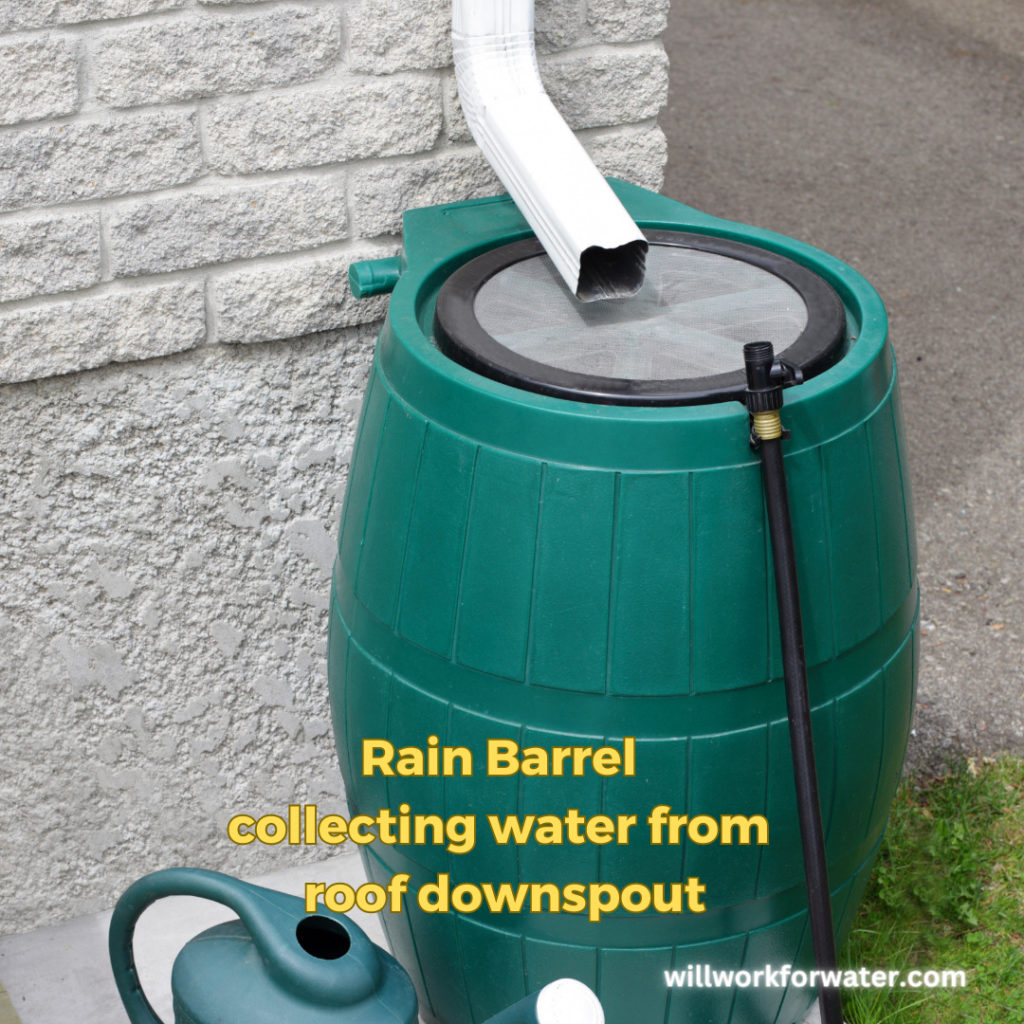
Onsite non-potable reuse can support irrigation, toilet flushing, washdown, process water, cooling, and other non-drinking uses. The first step is to match the water source to the end use and confirm the treatment level required by local rules.
Planning checklist
- Identify the source water, such as rainwater, stormwater, greywater, or treated wastewater.
- Define the end use and expected daily demand.
- Confirm storage needs and drawdown patterns.
- Select treatment based on risk, exposure, and use.
- Plan controls, pumps, alarms, bypass, and overflow.
- Include maintenance and monitoring from the beginning.
Why monitoring matters
Reuse systems need reliable operation. Flow meters, level sensors, turbidity, disinfectant residual, pressure, and alarm data can help operators understand performance before a problem becomes visible.
Related resources
Planning a reuse or rainwater system?
Start with the reuse guide, then use calculators for tank sizing, drawdown, pump power, and storage planning.