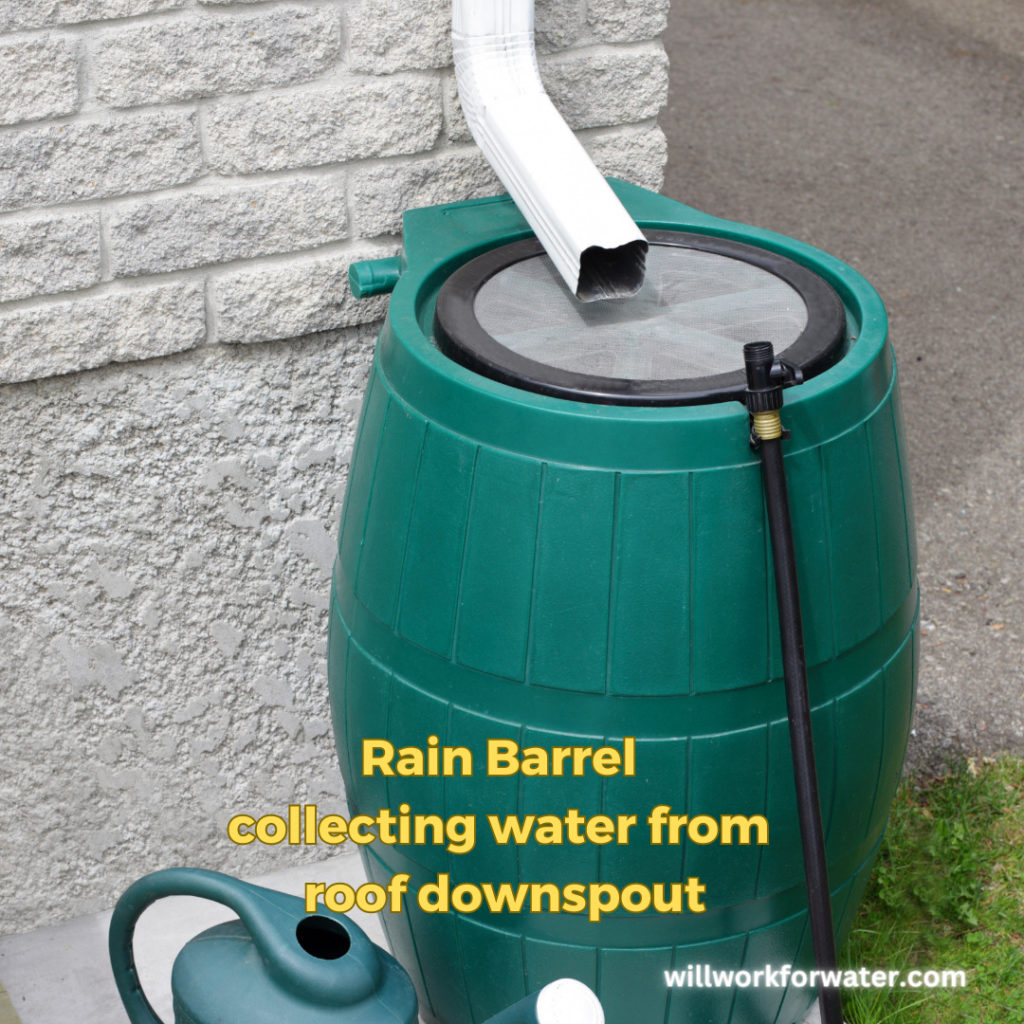
Water quality volume is the stormwater runoff volume that a best management practice is intended to capture, treat, retain, detain, or manage for water quality purposes. It is a key planning value for bioretention, planter boxes, media filters, infiltration BMPs, cisterns, and other stormwater controls.
Basic water quality volume equation
A simple screening equation is:
Volume = drainage area x rainfall depth / 12 x runoff coefficient
When drainage area is in square feet and rainfall depth is in inches, the result is in cubic feet. Use the Water Quality Volume Calculator to run this calculation quickly.
Step 1: Define the drainage area
The drainage area should include the impervious and pervious surfaces that drain to the BMP. For site design, this may be a drainage management area, roof area, parking lot, street segment, courtyard, or landscape area.
Step 2: Select the design rainfall depth
The design rainfall depth should come from the applicable stormwater manual, permit requirement, or project criteria. Some programs use a percentile storm, water quality storm, capture depth, or other specified rainfall value.
Step 3: Select a runoff coefficient
The runoff coefficient represents how much of the rainfall becomes runoff. Impervious surfaces usually have higher values. Landscaped or self-retaining areas usually have lower values, depending on soil, slope, storage, and vegetation.
Step 4: Compare volume with BMP storage
After estimating water quality volume, compare it with the storage available in the BMP. Storage may come from surface ponding, media pore space, gravel voids, chamber volume, tank volume, or other designed storage components.
For planter boxes and bioretention concepts, the BMP Media Storage Calculator can help estimate storage in media and surface ponding zones.
Example calculation
Assume 20,000 square feet of drainage area, a 0.85 inch design rainfall depth, and a runoff coefficient of 0.90.
Volume = 20,000 x 0.85 / 12 x 0.90 = 1,275 cubic feet
The BMP concept should be checked against this required volume, along with drawdown, overflow routing, planting, pretreatment, underdrain, and maintenance requirements.
Important limitations
- Water quality volume is not the same as peak flow control.
- Storage volume alone does not confirm pollutant removal performance.
- Drawdown time, soil media, vegetation, underdrain, and overflow design matter.
- Local stormwater criteria should control final sizing.
Related tools
- Water Quality Volume Calculator
- BMP Media Storage Calculator
- Green Infrastructure and Stormwater
- Request Help With a Water Calculation
Need a stormwater compliance starting point?
Review the compliance hub, compare monitoring equipment, and use the related calculators for early screening and planning.