Bioretention cells, planter boxes, and media-based stormwater BMPs often provide storage through a combination of surface ponding, engineered soil media, gravel, and other void spaces. Estimating this storage is an important early step in checking whether a BMP can support a required water quality volume or retention target.
Where BMP storage comes from
Media-based BMP storage can include several components:
- Surface ponding above the media
- Void space in engineered soil media
- Void space in gravel or aggregate layers
- Storage within pipes, chambers, or reservoir layers
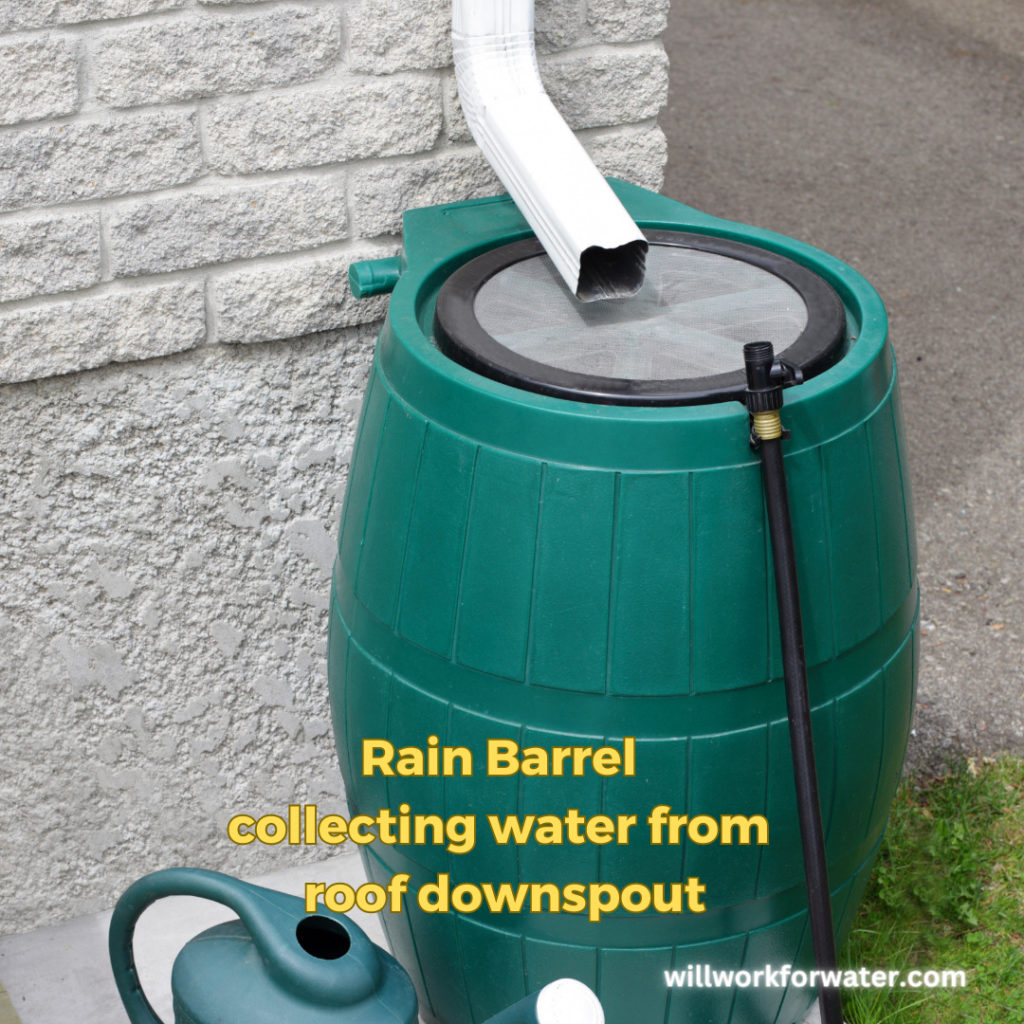
- Tank or vault storage connected to the BMP
The BMP Media Storage Calculator provides a quick screening estimate for footprint, depth, void ratio, and optional surface ponding.
Basic storage formula
For a single layer, the storage volume is:
Storage volume = area x depth x void ratio
Use consistent units. If area is in square feet and depth is in feet, the result is in cubic feet. If depth is entered in inches, divide by 12 to convert to feet.
Surface ponding storage
Surface ponding storage is based on the BMP footprint and the allowed ponding depth:
Ponding storage = BMP area x ponding depth
Surface ponding can provide useful storage, but the allowable ponding depth and required drawdown time are usually controlled by local stormwater criteria, planting needs, public safety, and vector control considerations.
Media void storage
Engineered media has void spaces between soil particles that can temporarily store water. A conservative void ratio is often used for planning checks, but final design should use project-specific media requirements or local BMP design manual values.
Gravel and aggregate storage
Gravel layers often provide more void storage than soil media. This storage may support underdrains, reservoir layers, or temporary detention below the planting media. Confirm whether local criteria allow this volume to count toward the design requirement.
Example calculation
Assume a planter has a 500 square foot footprint, 24 inches of media, a media void ratio of 0.25, and 6 inches of surface ponding.
Media storage = 500 x 2.0 x 0.25 = 250 cubic feet
Surface ponding = 500 x 0.5 = 250 cubic feet
Total storage = 500 cubic feet
This is a planning estimate. Final design should also confirm drawdown, overflow, pretreatment, underdrain, plant selection, media specification, and maintenance access.
Common mistakes
- Counting total media volume instead of void volume
- Using inches and feet in the same formula without conversion
- Ignoring drawdown time
- Forgetting overflow routing
- Assuming all storage counts toward compliance without checking local criteria
Related tools
- BMP Media Storage Calculator
- Water Quality Volume Calculator
- Green Infrastructure and Stormwater
- Water Calculators
Get practical water tools
Use the Will Work For Water calculators, equipment guides, and resource hubs to turn this topic into a practical next step.